
Teacher Site
Operation Montserrat
Teacher Site
Montserrat
Montserrat, often called “The Emerald Isle of the Caribbean,” is a small, mountainous island in the eastern Caribbean, situated between Antigua and Guadeloupe. Measuring roughly 16 kilometers (10 miles) from north to south and about 10 kilometers (6 miles) across at its widest point, Montserrat is one of the smaller islands of the Lesser Antilles. Its dramatic landscape rises sharply from the Caribbean Sea into a series of volcanic peaks, with the island's highest point, Chances Peak, reaching about 915 meters (3,000 feet). Lush forests, steep valleys, and fertile volcanic soil give the island a remarkably green appearance.
For much of its history, Montserrat remained relatively quiet and isolated compared with its larger and more prosperous neighbors. The island was settled by the English in the 17th century and developed a distinctive culture influenced strongly by Irish immigrants and African heritage. The Irish connection became so important that Montserrat earned its nickname, “The Emerald Isle of the Caribbean.” Irish surnames, traditions, music, and celebrations remain an important part of island life today.
Montserrat's small size and mountainous terrain limited the development of the enormous sugar plantations that dominated much of the Caribbean. Rather than becoming a major plantation colony, the island developed a smaller agricultural economy based on crops such as cotton, sugar, and later limes. Its relative isolation also helped preserve much of its natural beauty and gave Montserrat a character quite different from the large resort islands nearby.
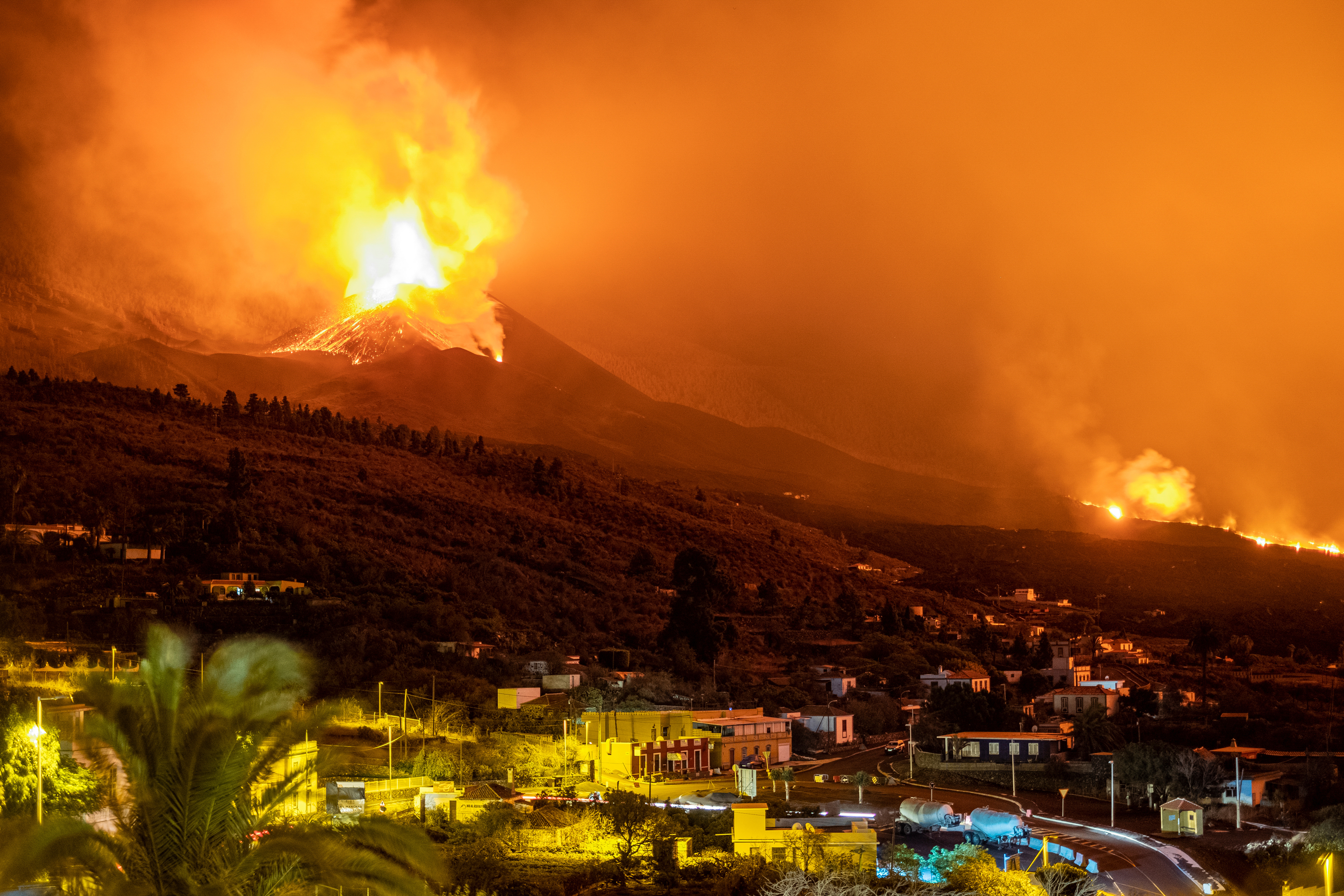
For generations, the island's capital was Plymouth, a small town on the southwestern coast that served as the center of government, commerce, and community life. Everything changed dramatically in 1995, when the long-dormant Soufrière Hills Volcano began to erupt. What initially appeared to be a geological curiosity developed into one of the most significant volcanic disasters in modern Caribbean history.
The eruption transformed Montserrat not only physically but socially and economically. A large portion of the island's population left, with many Montserratians relocating to Britain, the United States, and other Caribbean islands. Those who remained rebuilt their lives primarily in the northern part of the island.
Yet Montserrat's story is not simply one of destruction. The volcanic eruption also created an extraordinary landscape where nature and geology can be observed side by side. The island's forests, valleys, volcanic slopes, and coastline provide opportunities for hiking, wildlife watching, diving, and exploring. Montserrat is home to the endangered Montserrat oriole, its national bird, as well as numerous tropical birds and other wildlife.